Luxury vinyl plank concerns
LVP Edge Breaking Inspection in Reno & Northern Nevada
Chipped plank edges, fractured corners, raised joints, or damaged locking profiles can worsen with traffic. Document the condition and its pattern before affected planks are replaced.
We review the property location, inspection scope, and travel requirements before confirming the assignment.
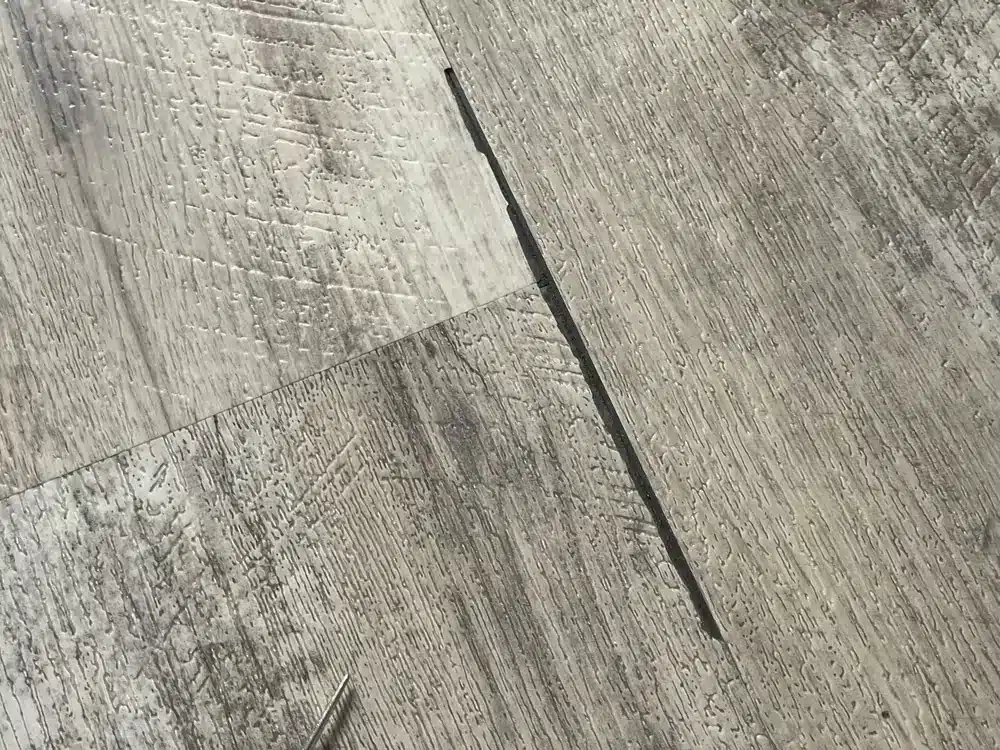 Actual inspection photograph · Client details withheld
- 01Chipped plank edges
- 02Fractured corners
- 03Raised or sharp joints
- 04Locking-profile damage
Independent field documentation
Edge damage tells only part of the story
The location and repetition of damage can be as important as the broken edge itself. Traffic patterns, joint engagement, plank movement, substrate conditions, transitions, and installation details may all provide context. An independent inspection records the condition without altering it.
Real floors. Documented conditions.
Is your rigid-core floor breaking at the edges?
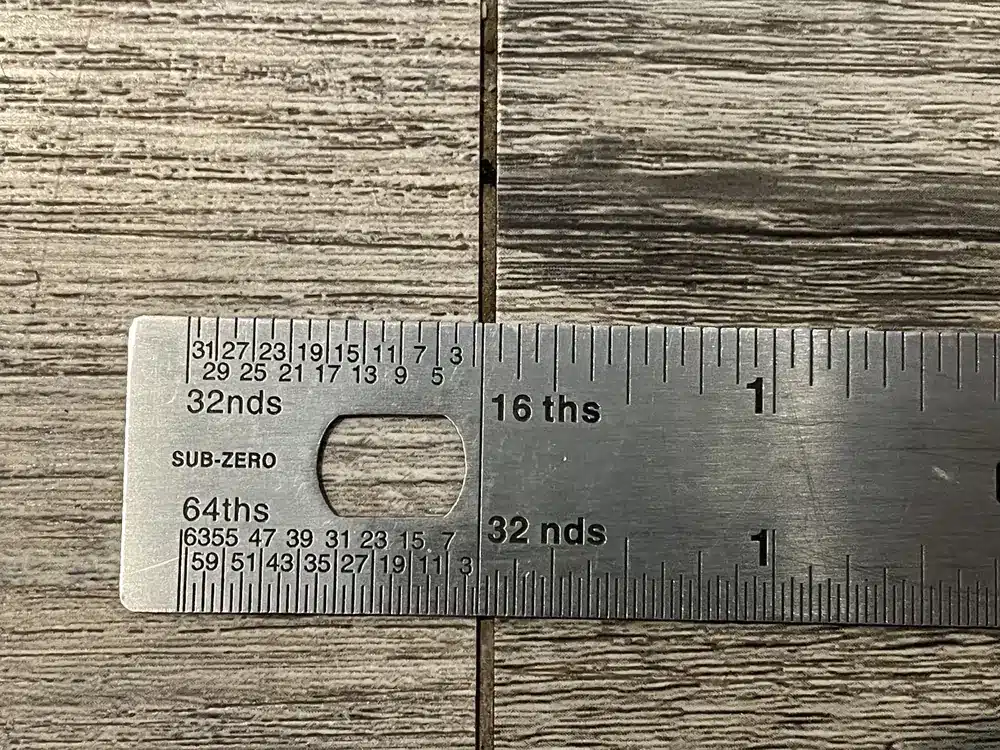
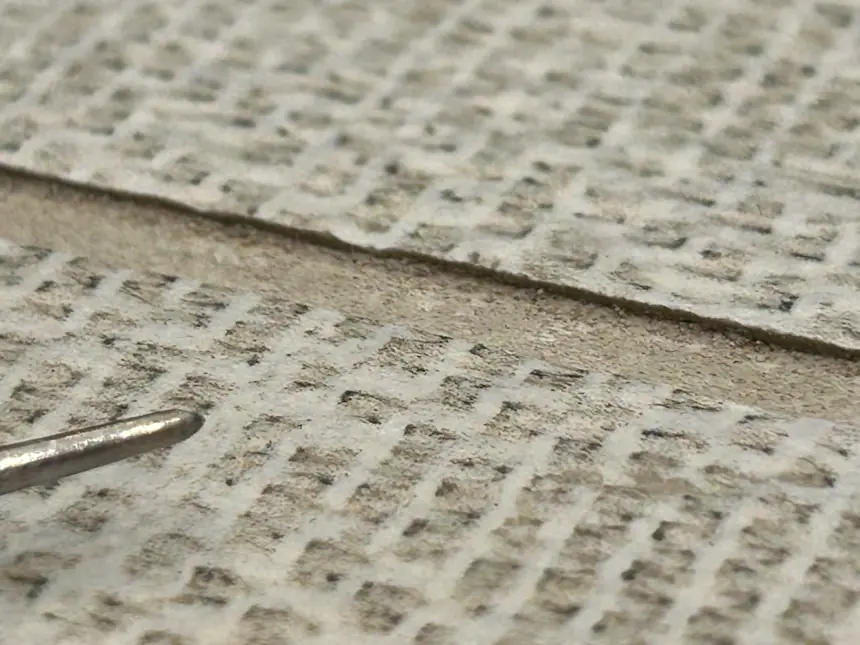
These are real inspection photos of chipped and fractured rigid-core plank edges. They also show the checks used to document cupping and raised edges around the damage.
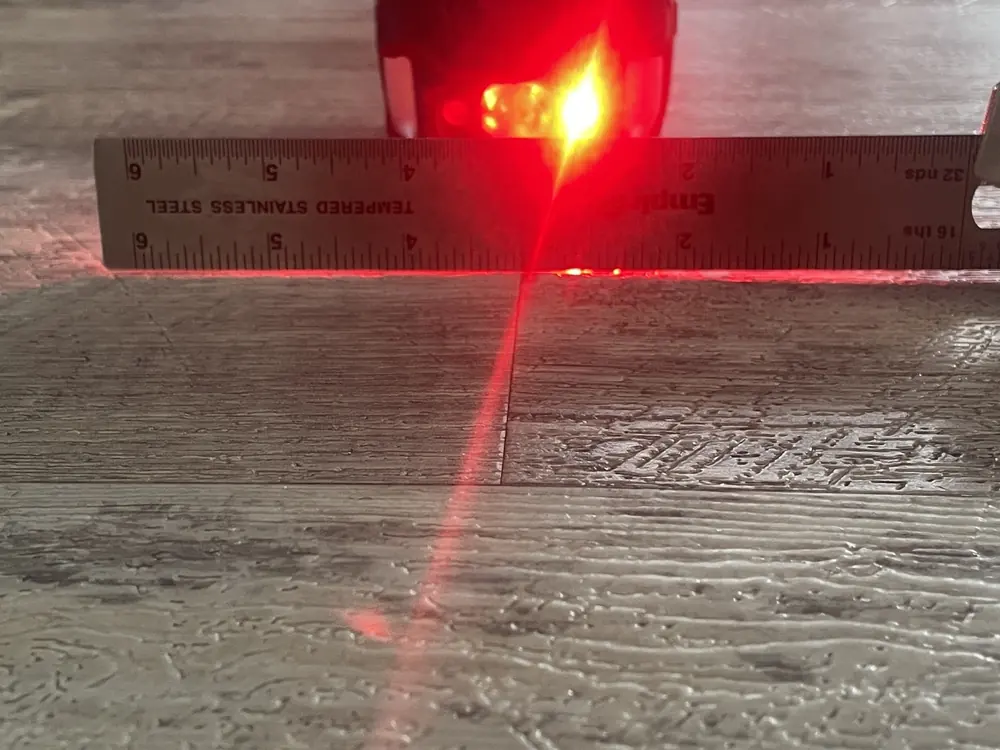
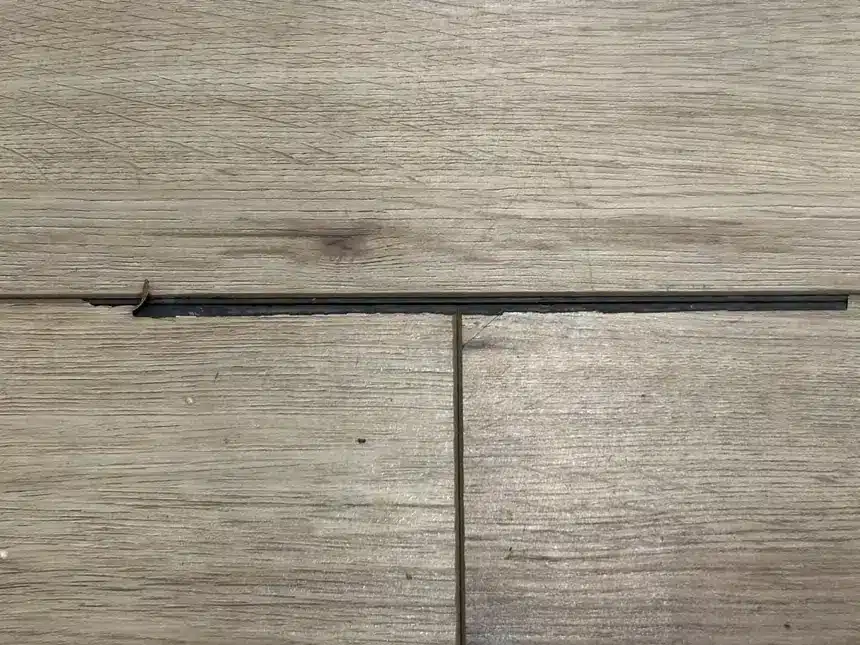
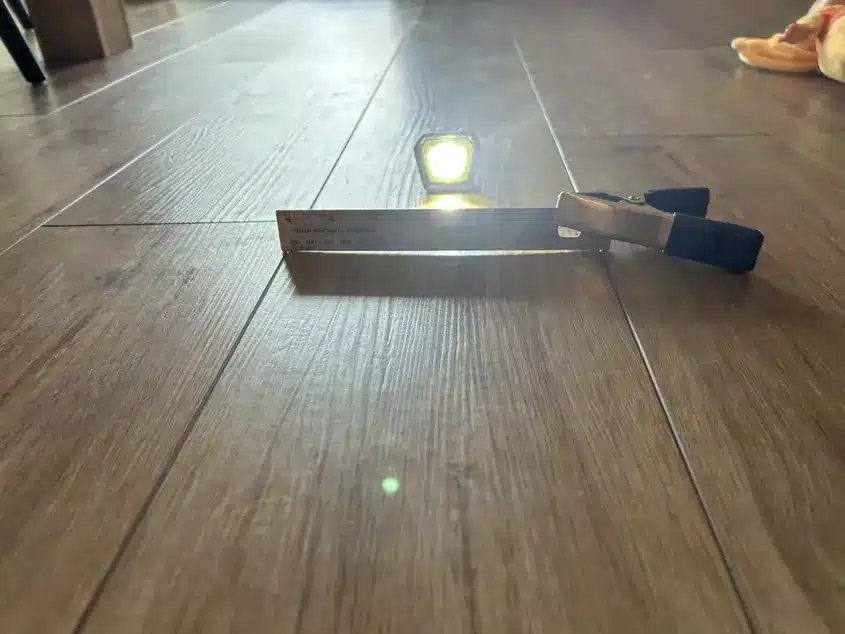
Before replacing another damaged plank, ask what else should be documented. Send close-ups of the broken edges and wider photos showing where they occur. We will review your request and confirm the inspection scope, access, and next steps before scheduling.
Photographs and summaries are from two separate past inspections. They illustrate documented conditions, not a diagnosis of your floor or a promised claim outcome. Client names, addresses, and full reports are not published.
What the inspection documents
4 inspection checks for a clear record
The scope is tailored to the reported concern and accessible conditions at the property.
Damage pattern
Locations, direction, repetition, traffic relationship, and representative dimensions.
Joint condition
Raised edges, movement, disengagement, chipping, and visible locking-profile damage.
Supporting conditions
Substrate flatness clues, transitions, fixed objects, and perimeter details where accessible.
Site and records
Relevant ambient conditions, product information, installation history, and prior repair notes.
Useful documentation
Evidence organized for review
The final report organizes the distribution of edge damage, close and overall photographs, field observations, measurements, and available records for review.
- Written field observations
- Labeled photographs
- Representative measurements
- Relevant site information
Inspection findings do not guarantee a warranty decision, repair outcome, insurance result, or legal result.
From concern to clarity
A straightforward inspection process
We confirm the assignment before an appointment is placed on the schedule.
Share the concern
Tell us the floor type, symptoms, property location, and who needs the inspection.
Confirm scope
We review fit, access, timing, and any product or project records that may help.
Receive the report
Field observations, labeled photos, measurements, and written findings are organized for review.
Common questions
LVP Edge Breaking Inspection FAQ
Why do LVP plank edges break?
Broken edges can be associated with more than one condition, including joint engagement, movement, support, installation details, traffic, or impact. Site-specific documentation is needed before evaluating the concern.
Is a raised edge a safety concern?
A sharp or elevated edge can catch feet or objects. Avoid further damage, photograph the condition, and address any immediate hazard while preserving useful evidence.
Should damaged planks be saved?
Yes, when planks are removed, keep representative pieces and label their original locations. Do not alter locking edges that may need to be examined.
What does the report include?
Reports typically include visible field observations, labeled photographs, representative measurements, relevant site information, and a review of documents provided for the assignment.
Before your appointment
Preparing for an LVP edge breaking inspection
An LVP edge breaking inspection begins with the location and history of the visible damage. Tell us when the floor was installed, when the first affected edge was noticed, and whether new locations have appeared. Identify damaged corners, long edges, short-end joints, and transitions separately where possible. Wider photographs help locate the concern; close views show the visible edge condition.
Save the product identification and repair history
Gather the manufacturer, collection, carton labels, purchase invoice, and installation instructions. Include records of any replacement planks, joint repairs, or prior visits about the same concern. Spare material that is already available can remain with its packaging. Do not lift installed planks merely to expose the locking profile before the appointment. An accessible surface observation and an examination of a removed component are different scopes of work.
Describe where the damage repeats
Before your LVP edge breaking inspection, list the affected rooms and note whether the concern is near doorways, furniture, transitions, or frequently used routes. Describe movement or raised joints that you have noticed without forcing the planks to move. If the condition appears in areas with different use patterns, identify those areas too. A repeated pattern is useful to document, but it does not establish a cause by itself.
Preserve the available evidence
Photograph the condition before any necessary work and keep the associated records. Tell us what has already been changed and which observations come from another person. The LVP edge breaking inspection report organizes accessible observations, representative photographs, and relevant background. It also identifies limitations when concealed conditions or missing product information prevent a question from being resolved.
For general vinyl and rigid-core product education, visit the Resilient Floor Covering Institute. That background helps explain product categories, while the instructions for your specific floor and the documented site conditions remain essential to the individual review.
Make the visit useful for everyone reviewing the concern
Identify who requested the inspection and who will receive the report. Homeowners, retailers, installers, manufacturers, and property managers may each have different records. Gathering those records in advance helps keep product details, installation history, and later changes organized. If documents conflict, provide both versions and explain their sources rather than choosing one as established fact.
Arrange access to the affected rooms and advise us about occupied areas, pets, furniture, or other access limits. Ordinary access does not include dismantling cabinets, lifting installed flooring, or opening the building. Any additional investigation needs a defined scope and appropriate authorization. Discuss access restrictions before the appointment so the expected documentation matches what can actually be observed.
Start with a clear inspection request
When requesting a LVP edge breaking inspection, include the property city, a few representative photographs, your preferred contact method, and the question you need answered. We review the request and confirm the assignment before scheduling. This gives you a clear starting point for the visit and helps the resulting record support the next discussion about your floor.
Keep copies of the information you send and preserve the original photographs where possible. A dated image with a room location is more useful than an unlabeled close-up. If someone else supplied a measurement or described a previous condition, identify that source. The report can then distinguish the current inspection observations from the history supplied by others.
Other flooring concerns
Find the inspection that fits your floor
Serving Reno, Sparks, Carson City & the Tahoe region
Requesters may be located anywhere when the property is within the Northern Nevada service area.
Reno Floor Inspector