Hardwood flooring concerns
Hardwood Floor Gaps Inspection in Reno & Northern Nevada
Seasonal spaces, persistent gaps, checking, splits, cupping, or boards that move can look similar while involving different conditions. Document the floor before repair changes what can be observed.
We review the property location, inspection scope, and travel requirements before confirming the assignment.
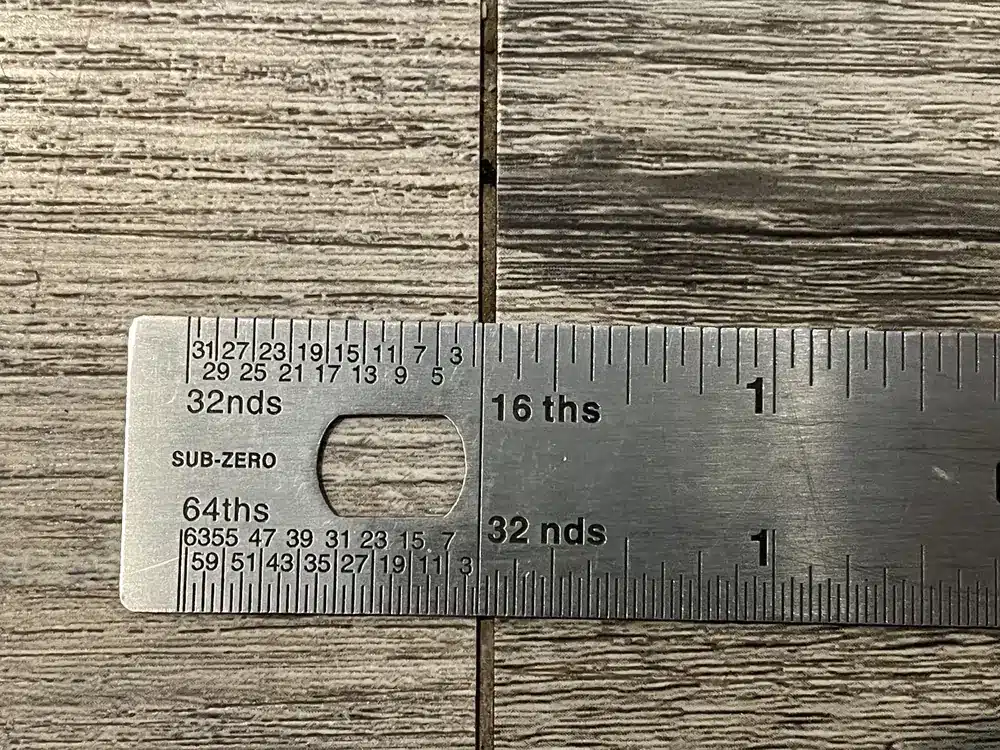
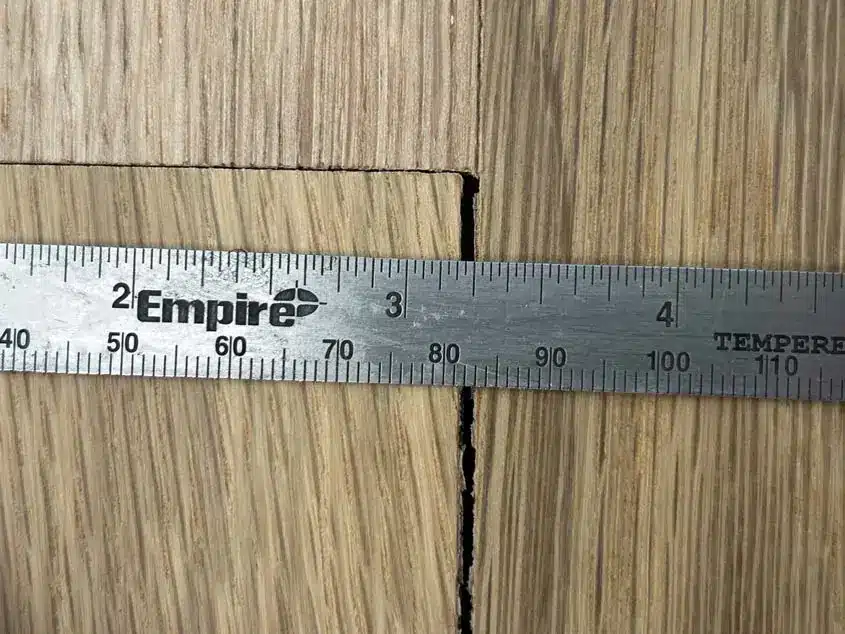 Actual inspection photograph · Client details withheld
- 01Persistent board gaps
- 02Seasonal spacing
- 03Checking or splits
- 04Cupping or movement
Independent field documentation
A gap measurement needs context
The width and distribution of gaps matter, but so do the wood species, board width, installation type, indoor conditions, and timing. An independent inspection records the pattern, accessible measurements, and surrounding conditions instead of judging the floor from one photograph.
Real floors. Documented conditions.
Similar gaps. Different questions.
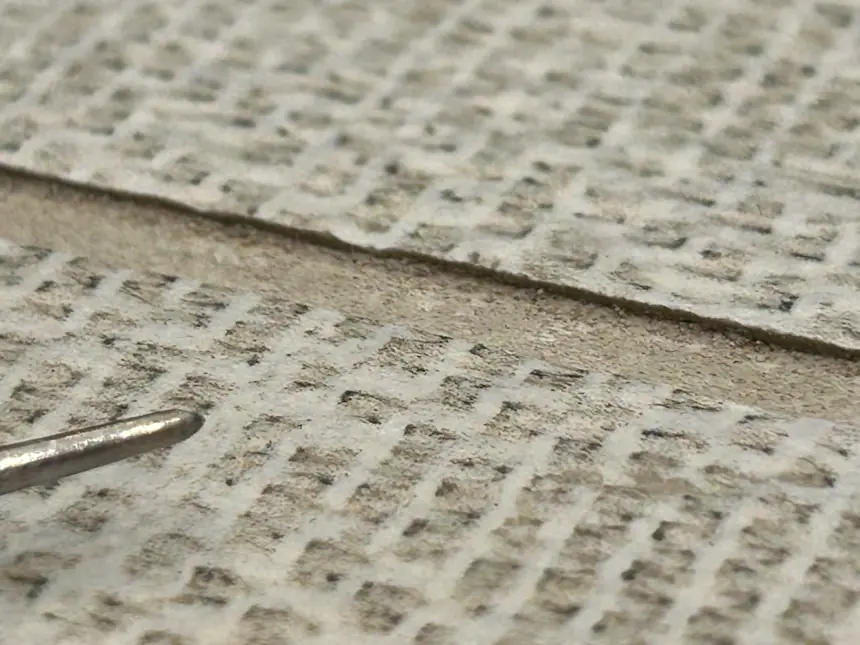
These actual hardwood inspection photos show why a gap deserves more than a quick filler recommendation. Board movement, finish bonding, and recessed filler can leave different evidence.
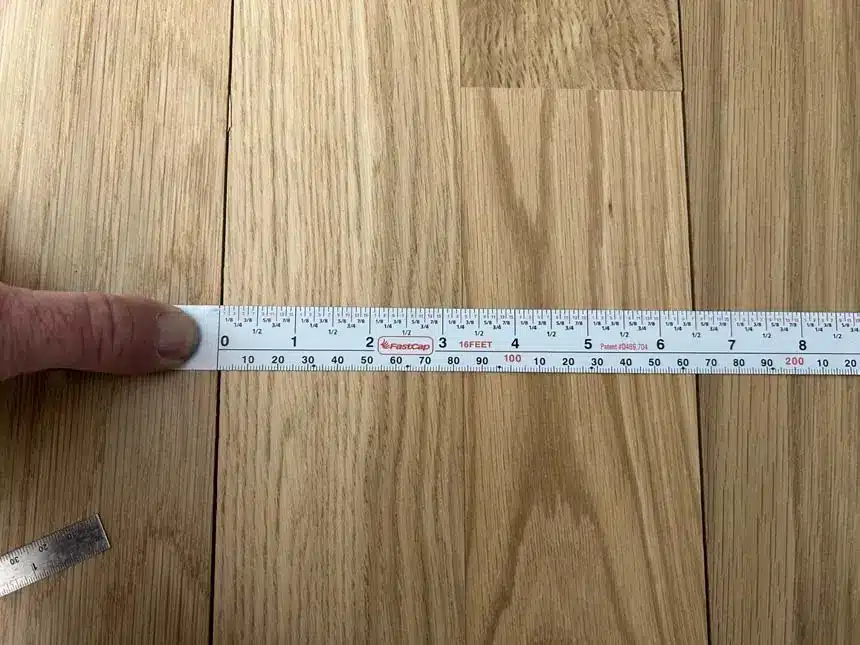
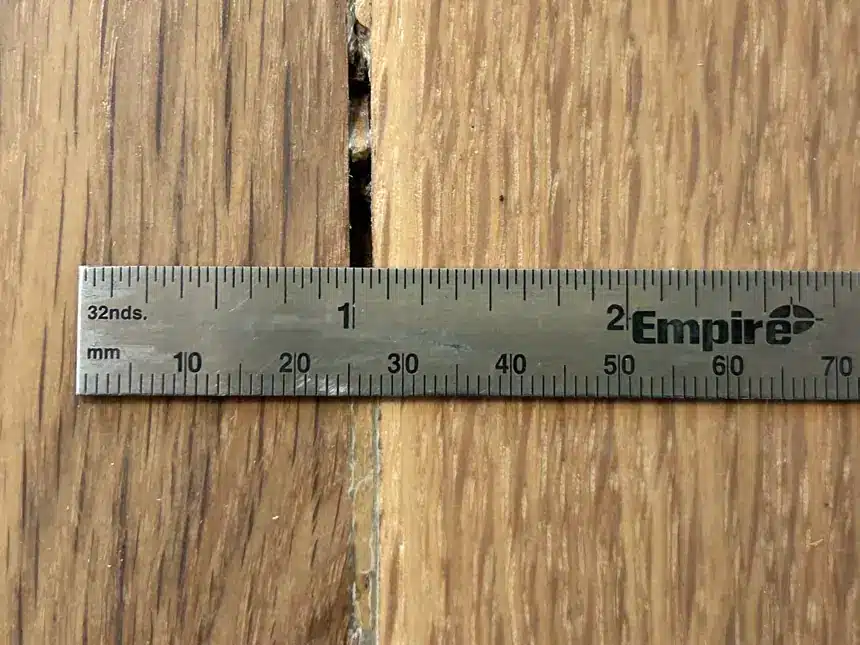
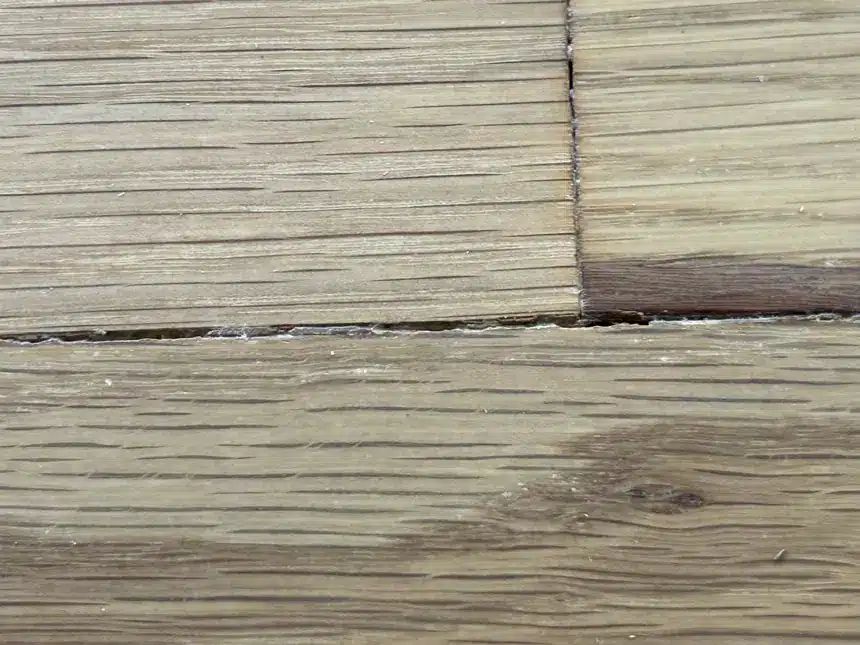
Before filling or refinishing again, document what is there. Share when the gaps appeared, whether they change with the seasons, and whether the floor was recently sanded or coated. We will review the concern and confirm an appropriate inspection scope.
Photographs and summaries are from two separate past inspections. They illustrate documented conditions, not a diagnosis of your floor or a promised claim outcome. Client names, addresses, and full reports are not published.
What the inspection documents
4 inspection checks for a clear record
The scope is tailored to the reported concern and accessible conditions at the property.
Gap distribution
Representative measurements and the pattern across rooms, runs, and board widths.
Wood condition
Visible checking, splits, cupping, crowning, edge damage, or movement.
Moisture context
Accessible wood and ambient measurements, along with relevant site observations.
Installation context
Flooring type, layout, transitions, perimeter conditions, and available project records.
Useful documentation
Evidence organized for review
The report brings together representative measurements, labeled photographs, visible board conditions, ambient observations, and relevant project documents in a clear review package.
- Written field observations
- Labeled photographs
- Representative measurements
- Relevant site information
Inspection findings do not guarantee a warranty decision, repair outcome, insurance result, or legal result.
From concern to clarity
A straightforward inspection process
We confirm the assignment before an appointment is placed on the schedule.
Share the concern
Tell us the floor type, symptoms, property location, and who needs the inspection.
Confirm scope
We review fit, access, timing, and any product or project records that may help.
Receive the report
Field observations, labeled photos, measurements, and written findings are organized for review.
Common questions
Hardwood Floor Gaps Inspection FAQ
Are gaps in hardwood flooring always a defect?
No. Some wood floors change dimension as indoor conditions change, while other gap patterns may warrant closer review. The site-specific pattern and measurements provide necessary context.
When is the best time to inspect hardwood gaps?
Inspect while the concern is visible and before repairs. If the gaps change seasonally, dated photographs and prior indoor humidity information can also be useful.
What records help the inspection?
Product details, installation invoices, HVAC or humidification history, moisture records, maintenance information, and dated photographs can all add context when available.
Will the inspection assign responsibility?
The inspection documents observed conditions and relevant evidence. Responsibility, coverage, and remedies are determined by the parties who have authority over the claim or project.
Before your appointment
Preparing for a hardwood floor gaps inspection
A hardwood floor gaps inspection is more useful when the history of the floor is available. Record when the floor was installed, when you first noticed the openings, and whether their appearance has changed. Identify the rooms involved and provide photographs from different dates if you already have them. A single image can show an opening, but a timeline helps explain what the occupants have observed over time.
Gather flooring and installation information
Keep the invoice, product name, species information, board dimensions, and original installation instructions together. Tell us whether the flooring is solid or engineered if that information is documented. Include records of refinishing, filling, replacement boards, or other repairs. If you do not know a detail, leave it unresolved rather than guessing. Available product information helps define the questions to consider during the visit.
Record the conditions you have observed
Before your hardwood floor gaps inspection, note whether the concern appears in one room or throughout the property. Describe where gaps occur along board edges or ends and whether checking, movement, or a change in surface shape is also visible. Existing indoor temperature and humidity records may be useful background. Do not change the building conditions simply to prepare for the appointment; describe the normal use of the property and any recent changes.
Preserve the condition for documentation
Avoid filling openings, sanding affected areas, or removing boards solely for the inspection. Photograph any work that must take place before the visit and retain the available repair records. Let us know about access limits before scheduling. A hardwood floor gaps inspection documents the accessible condition; concealed areas or questions that require additional testing are identified as limitations.
For general wood-floor education, visit the National Wood Flooring Association consumer website. General guidance provides background, while the product instructions, project records, and conditions at your property inform the specific review.
Make the visit useful for everyone reviewing the concern
Identify who requested the inspection and who will receive the report. Homeowners, retailers, installers, manufacturers, and property managers may each have different records. Gathering those records in advance helps keep product details, installation history, and later changes organized. If documents conflict, provide both versions and explain their sources rather than choosing one as established fact.
Arrange access to the affected rooms and advise us about occupied areas, pets, furniture, or other access limits. Ordinary access does not include dismantling cabinets, lifting installed flooring, or opening the building. Any additional investigation needs a defined scope and appropriate authorization. Discuss access restrictions before the appointment so the expected documentation matches what can actually be observed.
Start with a clear inspection request
When requesting a hardwood floor gaps inspection, include the property city, a few representative photographs, your preferred contact method, and the question you need answered. We review the request and confirm the assignment before scheduling. This gives you a clear starting point for the visit and helps the resulting record support the next discussion about your floor.
Keep copies of the information you send and preserve the original photographs where possible. A dated image with a room location is more useful than an unlabeled close-up. If someone else supplied a measurement or described a previous condition, identify that source. The report can then distinguish the current inspection observations from the history supplied by others.
Other flooring concerns
Find the inspection that fits your floor
Serving Reno, Sparks, Carson City & the Tahoe region
Requesters may be located anywhere when the property is within the Northern Nevada service area.
Reno Floor Inspector